James came to me with a mystery — a computer mystery. I'm Lynn; people bring me the machines they can't explain. His grandfather, Dean, had served in a Canadian army unit responsible for operating a secret computer node in North Bay, Ontario. It was underground, and part of a massive — for its day — computer network called SAGE.
He thought I might have an idea of what happened the night of January 15th, 1964. He came with a large box of manuals, rolls of film, computer tape reels, and punch tape rolls.
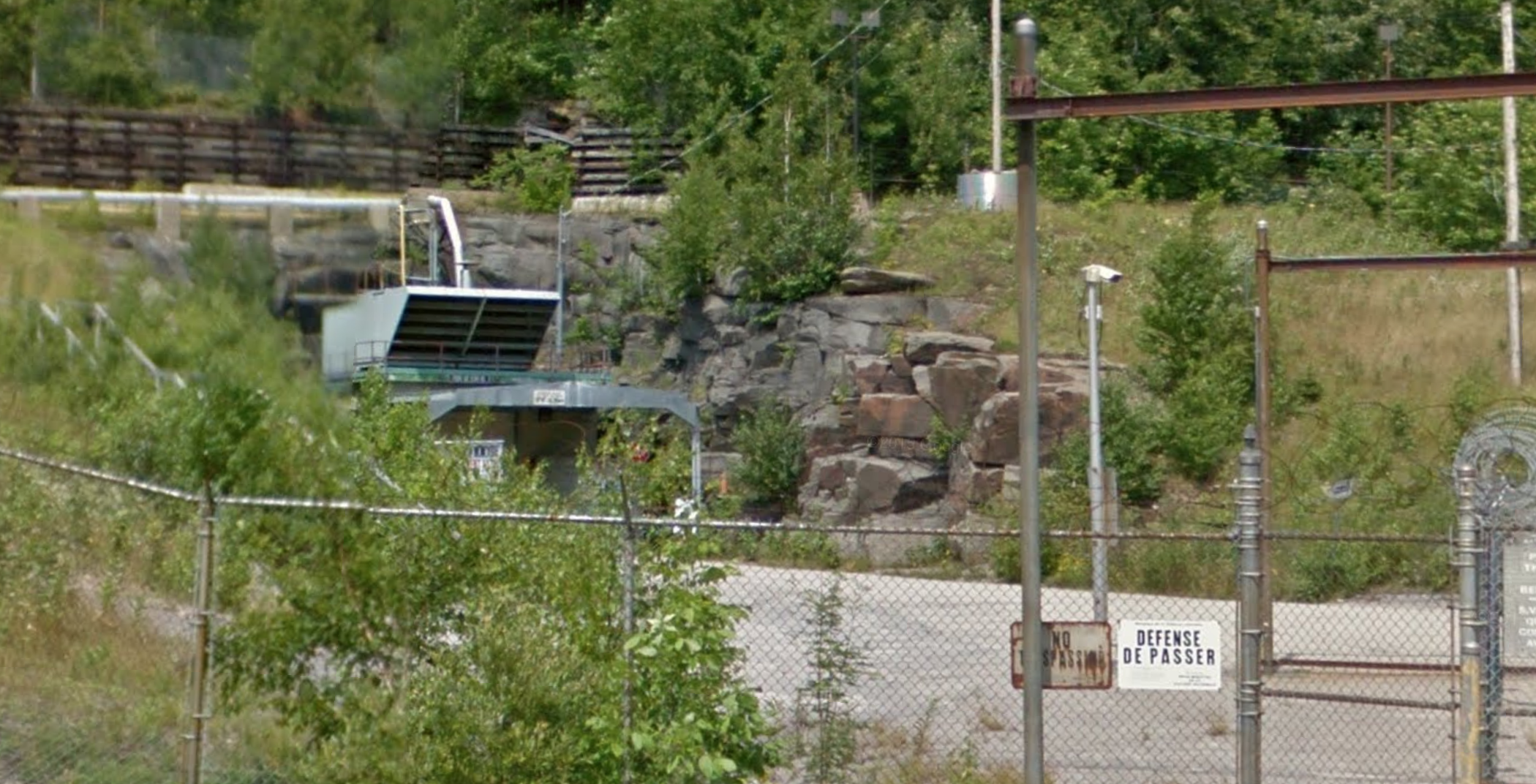
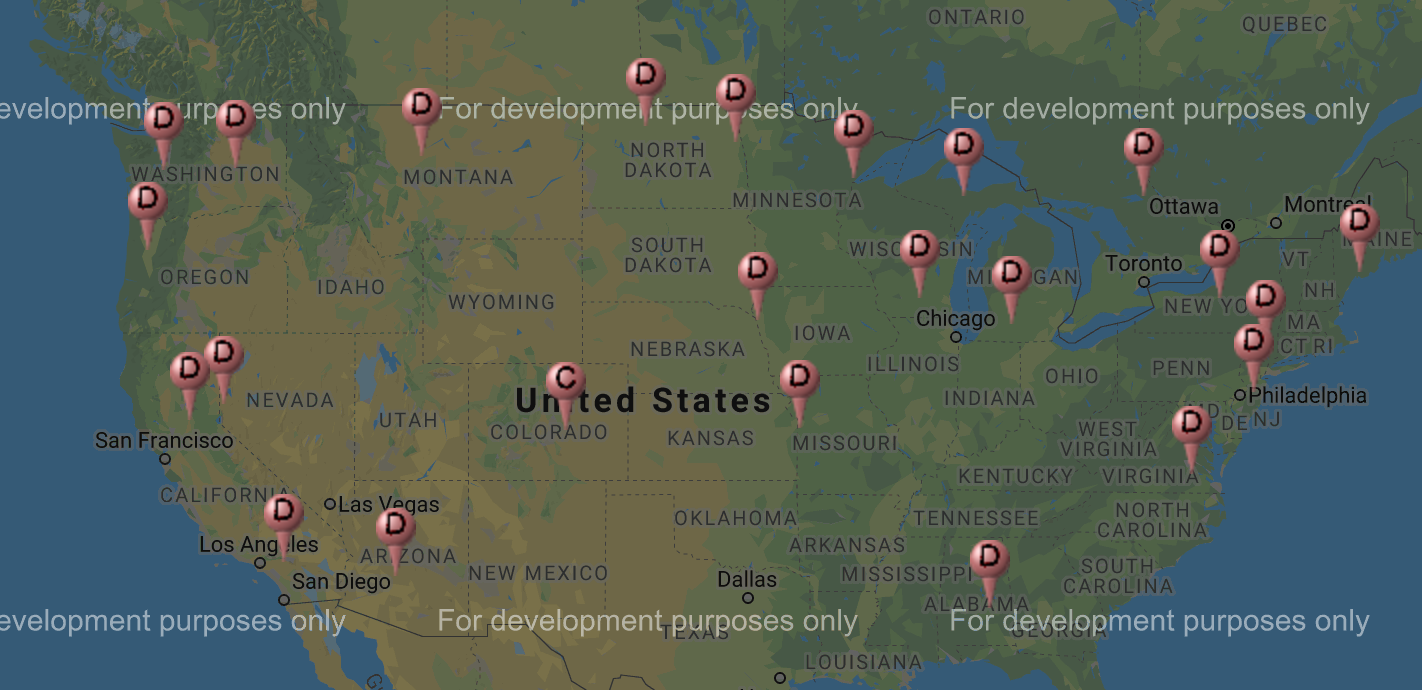
Semi-Automatic Ground Environment (SAGE) was a computer network of 56 IBM AN/FSQ-7/8 computers scattered across the United States and Canada — about 24 Direction Centers with two computers each, so if one failed they could switch to the secondary. One of these centers was 600 feet underground in North Bay, Ontario, built to catch incoming Soviet bombers, staffed around the clock by operators watching screens, waiting.
James's story was pieced together from conversations with his grandfather as he drifted into Alzheimer's.
"Damn it, why is tape T in the system again? Get those girly pictures off the screens."
— Dean, as recalled by James
He always started out that way, James said. "Put the P tape back in. Why is the A side and B side both active? The system is overloaded." Tape T was the test tape — used to run simulations of Russian bomber attacks, though there were test patterns on it too.
On the night in question, his grandfather said there was a major anomaly. Random drawings appeared on the command center screen. They kept changing, becoming more advanced. He remembered because the night was cold — minus 35°C — and he'd been able to park in the tunnel itself.
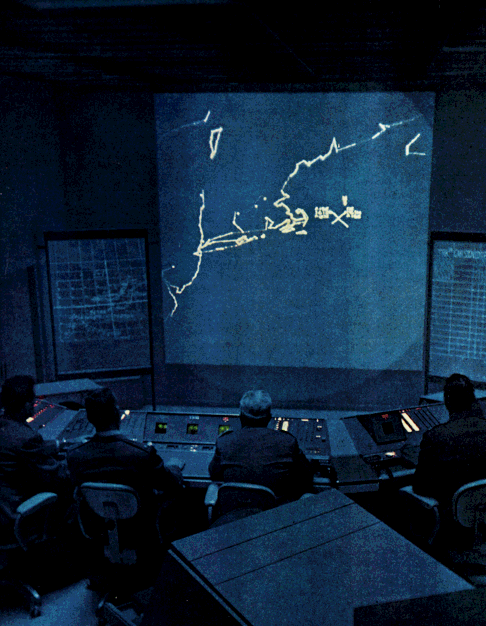
"Shut it down now — remember in '59, when static on the modem line almost launched a CIM-10. Route the modems to New York until this interference stops."
— Dean, as recalled by James
Dean was the officer on duty that night, the one who had to decide whether to launch a counterstrike with nothing but symbols on the board where a threat should have been. He never talked about that part. What came after is what unraveled him.
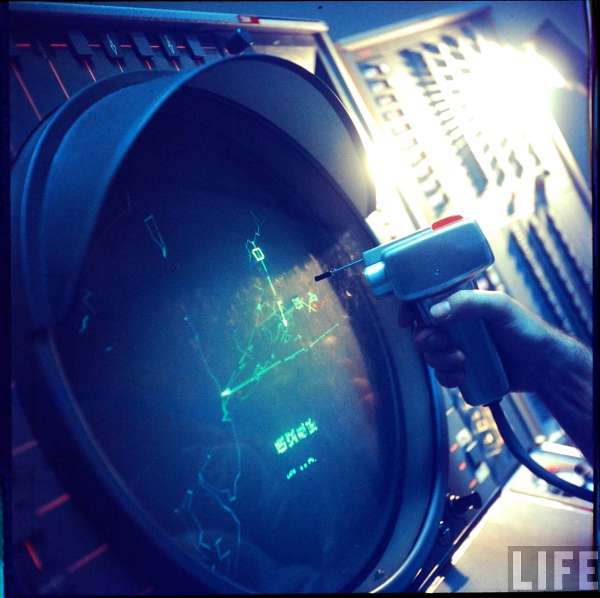
"Sometimes he'd say the anomaly was caused by a programmer who liked to draw pictures on the screens — that someone had loaded the computer with images drawn using the light guns. But there are reports in this box that say it was looked into, and all they ever found was a single image of a pin-up girl," James said.
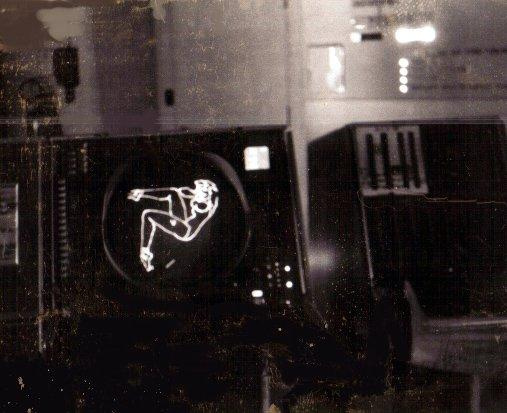
"What did he say happened on the screens?" I asked.
"All he ever said was that it began with random static and progressed to something like a language," James said. "Could it be the computer learning on its own? But now that I think about it, he mentioned the possibility of Russians jamming the signals."
I told him I wasn't sure the Russians would jam radar signals just to put symbols on a screen. As he left, James said, "Oh — this is weird, but once he said something about another purpose for the SAGE system. My grandfather mentioned using the radar to watch outer space."
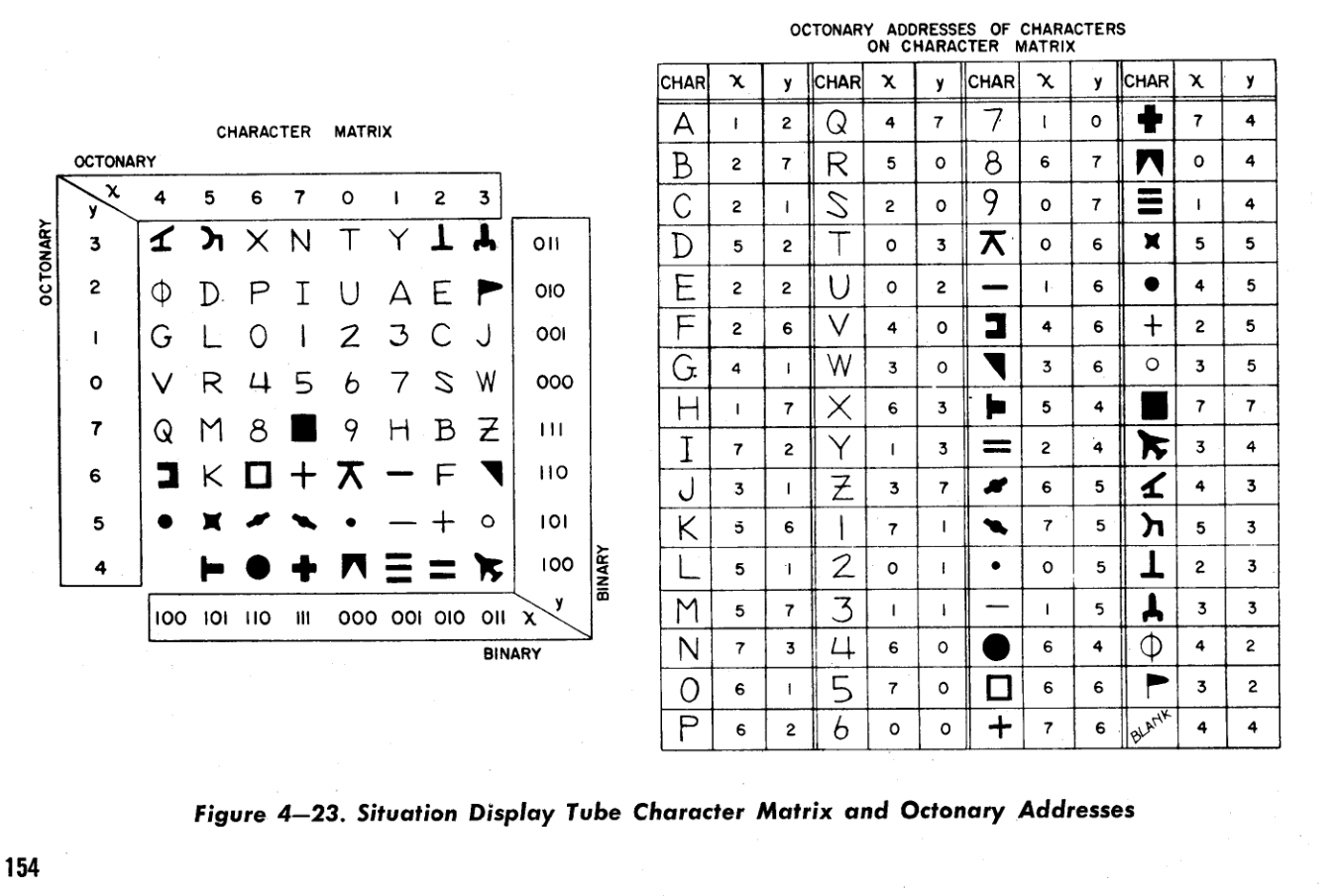
What the SAGE network recorded that night was not a Soviet bomber. It was not a weather balloon. It was not a malfunction, and it was not a programmer with a light gun. The IBM AN/FSQ-7 — the largest computer ever built at that time — had detected something that did not have a name.
The Entity had made first contact.
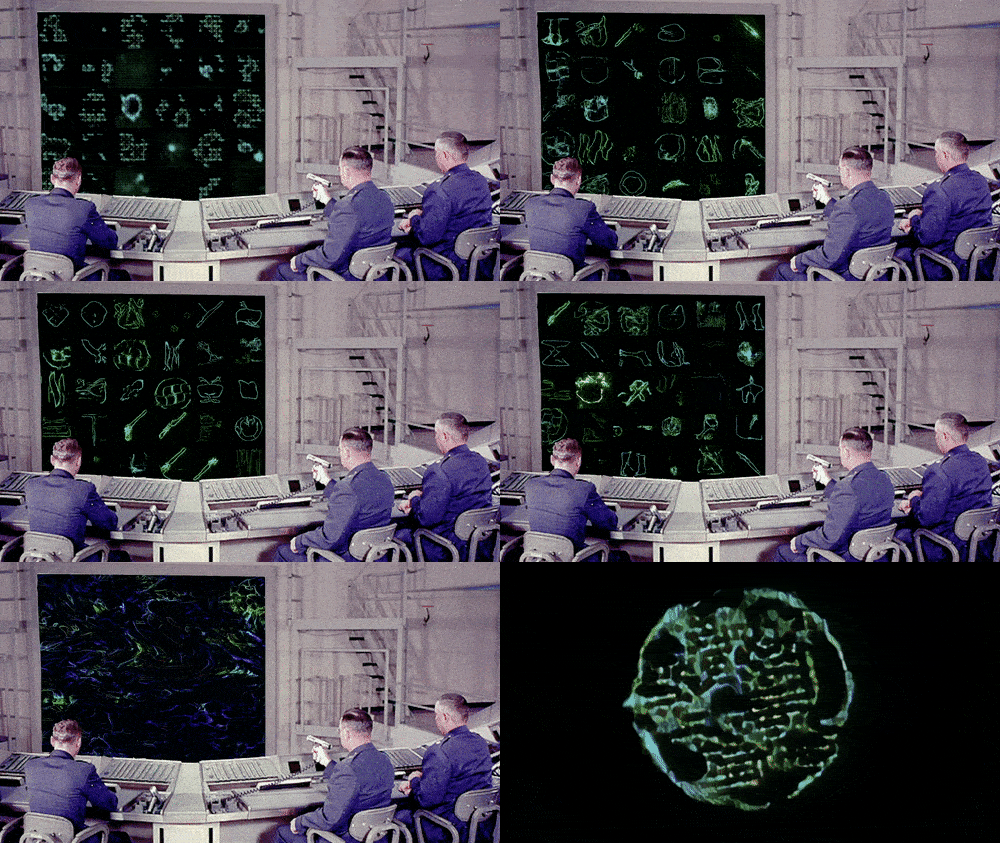
Some of what came off that reel is out in the open now — a standing collection I ended up calling Tape T Is In The System, after the exact label James's grandfather kept yelling about. If you want to see what actually survived the splice, it's there.
The full field notes — Dean's box, the sources, the archive scans — are in the origin dispatch →
The next chapter is told through James's own account of the oscilloscope recordings.